
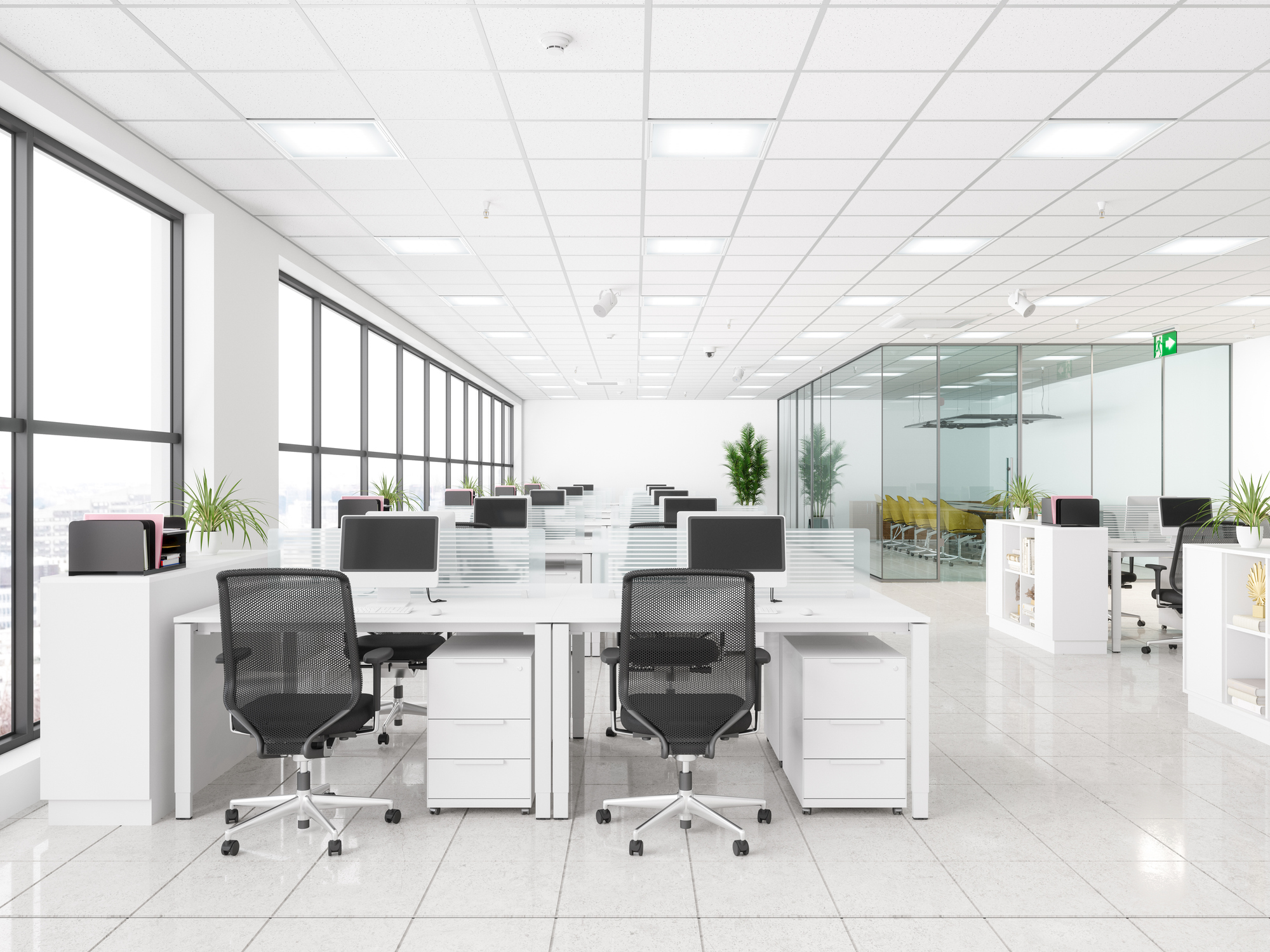
Let’s be honest: a messy workplace is more than just an eyesore. It’s a productivity killer, a stress inducer, and a haven for germs. That pile of papers on your desk isn’t just paper—it’s a to-do list screaming for attention. The crumbs in your keyboard aren’t just a snack remnant—they’re a potential tech failure waiting to happen.
The good news? Maintaining a clean, organized, and inspiring workspace isn’t about a massive, once-a-year spring cleaning. It’s about building small, sustainable habits. Here’s your actionable guide to making “always clean” the new normal.
Part 1: The Personal Kingdom – Your Desk
Your desk is your command center. Keeping it tidy is the first and most crucial step.
The Daily 5-Minute Tidy: Before you log off for the day, spend the last five minutes resetting your space. File away documents, toss any trash, wipe down your desk surface with a disinfectant wipe, and straighten your monitor and keyboard. This simple ritual ensures you start each fresh day with a clean slate, literally and mentally.
Embrace the “One-Touch” Rule: Handle each piece of paper or item only once. When you pick up a document, decide immediately: file it, act on it, or recycle it. Don’t put it down to “deal with later”—that’s how piles are born.
Go Digital Wherever Possible: Reduce physical clutter by scanning documents and using cloud storage. A clear physical space often starts with a clear digital one.
Cable Management Chaos: Use simple zip ties or cable sleeves to bundle loose cords from your computer, phone charger, and lamp. A tangle-free desk is a stress-free desk.
Part 2: The Shared Spaces – A Community Effort
A clean workplace is a team sport. Common areas like the kitchen and meeting rooms require a collective sense of responsibility.
The Kitchen Creed: Leave It Better Than You Found It.
Spills: Wipe them up immediately.
Dishes: Don’t let them pile up in the sink. Wash your mug and lunch plate, or load them directly into the dishwasher.
The Fridge: Put your name and date on your food, and do a weekly check to remove any science experiments.
Meeting Room Reset: After every meeting, wipe the whiteboard clean, throw away any leftover coffee cups, and push chairs back in. The next group will thank you.
Print Station Etiquette: Recycle misprinted pages, refill the paper tray if you take the last sheet, and report any technical issues.

Part 3: The Foundation – Systems and Supplies
Habits can’t form without the right tools and support.
Ample Supplies: Ensure there are plenty of trash and recycling bins in accessible locations. Stock the kitchen and bathrooms with soap, paper towels, and cleaning sprays. If people have to search for supplies, they’re less likely to clean up.
Implement a “Clean Desk Policy” (The Flexible Kind): This doesn’t have to be draconian. Encourage employees to clear their desks at the end of the day, storing personal and confidential items away. This not only looks professional but also makes nightly cleaning by custodial staff much more effective.
Schedule “Deep Clean” Sessions: Once a month or once a quarter, have a team-wide 15-minute “power clean.” Everyone tackles a specific area—organizing the supply closet, wiping down cabinet doors, or decluttering the shared drive. Make it fun with some music!
The Ultimate Payoff: Why It All Matters
A consistently clean workplace isn’t just about aesthetics. It’s a strategic advantage.
Boosts Productivity & Focus: A clutter-free environment reduces cognitive load, allowing you to concentrate on the task at hand.
Reduces Sick Days: Regular disinfection of high-touch surfaces (doorknobs, keyboards, microwave handles) minimizes the spread of germs.
Enhances Professionalism: A tidy office makes a great impression on clients and visitors and fosters a sense of pride among employees.
Improves Safety: Clear walkways and organized storage areas prevent trips, falls, and other workplace hazards.